Sizing an IP Video System Properly: Coverage, Resolution and Why Retention Drives the Budget
The number that drives most of the storage budget is not how many cameras you install. It is how many days you plan to keep the footage.
September 3, 2026 · 4 min read
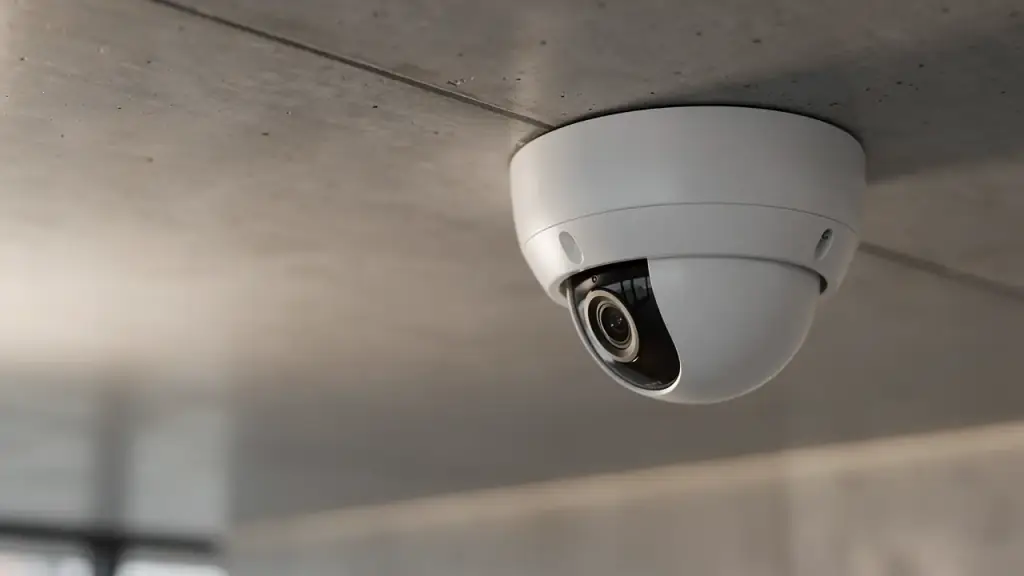
Ask most building owners how they want their video system sized and the answer starts with a camera count, thirty cameras, fifty cameras, one per entrance and one per corridor. Camera count is the easiest number to picture and the least useful number to design around. A properly sized IP video system starts somewhere else, with a site survey and a coverage map, and the budget that follows from it is driven more by how long footage gets kept than by how many cameras are on the wall.
Coverage first, cameras second
A coverage map starts from the areas that actually need to be recorded, entrances, exits, parking areas, loading docks, corridors and amenity spaces, and works out from there what camera types and placements eliminate blind spots given the building's actual layout and lighting. Fixed cameras, pan tilt zoom units, multi sensor cameras, fisheye cameras and license plate recognition cameras each solve a different coverage problem. A parking structure entrance needs a different camera than a long interior corridor, and a coverage map built from a real site survey is what tells you which is which, rather than installing the same camera type everywhere because it is what was quoted.
Identification and detection are two different resolutions
There is a real difference between a camera that can tell you something moved in a space and a camera that can identify who moved. Detection resolution is enough to confirm activity. Identification resolution, the level needed to make out a face or a license plate clearly enough to use in an investigation, requires more pixels on target at that specific distance and angle. A system designed only for detection resolution at a building's main entrance will show that someone walked in, without being able to show who. The resolution requirement should be set per location based on what that camera actually needs to prove, not applied as one blanket spec across every position.
Retention days, not camera count, drive the NVR budget
Every camera records continuously, and every day of footage has to live somewhere until it is reviewed or overwritten. The network video recorder or VMS platform has to be sized for camera count, resolution and frame rate together, but the multiplier that moves the storage budget the most is retention, how many days of footage the system is required to hold before it cycles. Doubling retention from 30 days to 60 days roughly doubles the storage requirement for the same camera count and resolution. A building with a legal or insurance reason to hold footage longer needs that decision made before the NVR is sized and purchased, not after storage runs out and footage starts overwriting itself early.
The infrastructure the cameras sit on
- Shared cabling backbone. Camera runs share the same structured cabling backbone as the rest of the building's low voltage systems, rather than a separate, uncoordinated set of cable pulls.
- PoE switching. Power over Ethernet switching sized for the camera count and power draw, so cameras do not need separate electrical runs to each mounting location.
- Dedicated VLANs. Video traffic segmented onto its own virtual network, so camera traffic does not compete with or expose the rest of the building's network.
- UPS backup. Uninterruptible power for the recording infrastructure, so a brief power event does not create a gap in the footage right when it might matter.
Remote access matters too, mobile and desktop access to live and recorded footage, along with analytics like motion detection, line crossing, people counting and license plate recognition where the coverage plan calls for them. Analytics are only as useful as the placement and resolution decisions made earlier, a people counting feature aimed at a camera set for wide area detection instead of tight identification coverage will produce numbers nobody trusts. The same is true of license plate recognition at a garage entrance, which needs a specific angle and resolution for the plate itself, not just general coverage of the lane.
Why the infrastructure decision belongs with the design decision
A video system specified in isolation from the rest of a building's low voltage infrastructure tends to end up with its own cabling, its own switching and its own network, duplicating work that a shared structured cabling backbone already handles for the rest of the building. Designing coverage, resolution and retention alongside the cabling plan, rather than as a separate bid that arrives after the cabling contract is already signed, is what keeps the camera system from becoming an island that needs its own maintenance relationship years after the rest of the building's systems are running on one platform.
None of that is worth much if the underlying design started from a guessed camera count instead of a real coverage map, a resolution requirement matched to what each camera actually needs to prove, and a retention period the building actually needs, not just whatever the recorder happened to ship with.
Protection Technologies, LLC. — (201) 891-8201
Call (201) 891-8201More articles
Why Splitting Low Voltage Across Six Subcontractors Costs More Than It Saves
The lowest bid on six separate contracts almost never adds up to the lowest cost of the finished system.
What "Tested and Certified" Actually Means for Structured Cabling
Tested and certified is not a marketing phrase. It is a specific set of standards, tests and documents you are entitled to see.